Quanti.dk · Marketplace and procurement SaaS · Sole designer · 2020-2021
One platform where three roles each finish their own job.
Tenders for businesses, group buying for consumers, and an admin console holding both together. Three audiences with almost nothing in common, and one MVP that had to serve all of them.
- Role
- Sole product designer, end to end.
- Timeframe
- ~12 months · 2020-2021
- Team
- Product owner · Business analyst · Front-end team
- Surfaces
- Admin · Vendor portal · Consumer marketplace
The short version
A corporate buyer spends a day comparing PDF quotes. A vendor abandons a platform that needs ten onboarding steps before a first bid. A consumer drops a group-buy cart when the discount is unclear. The target was one platform where any of the three could launch a tender, submit a bid or finish a group buy in five clicks or fewer, while admins kept full oversight.
Three roles, three different reasons to leave.
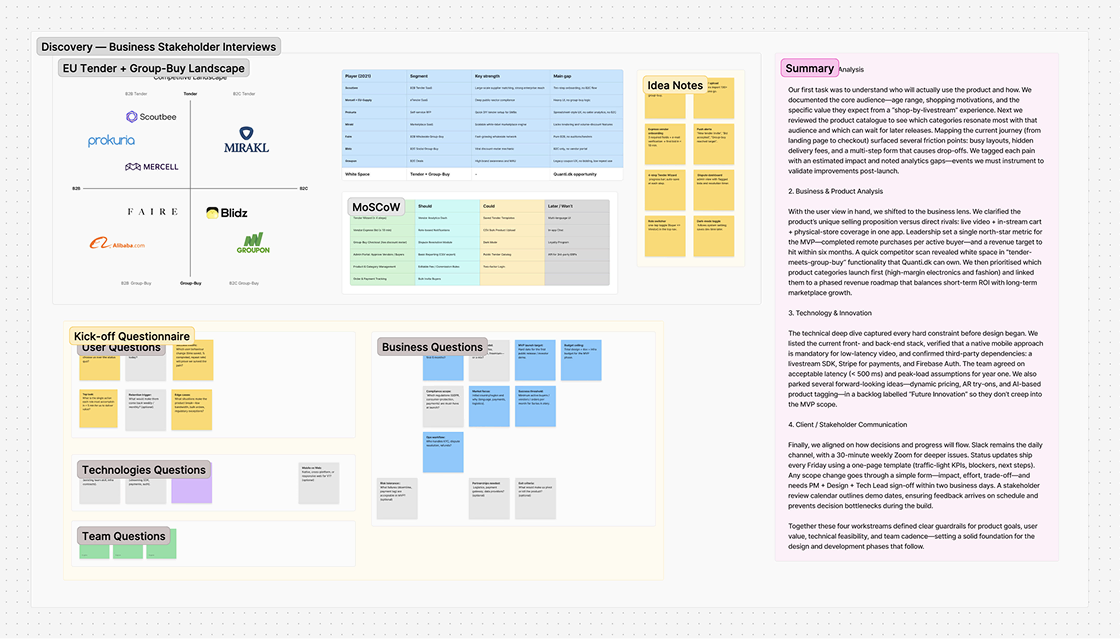
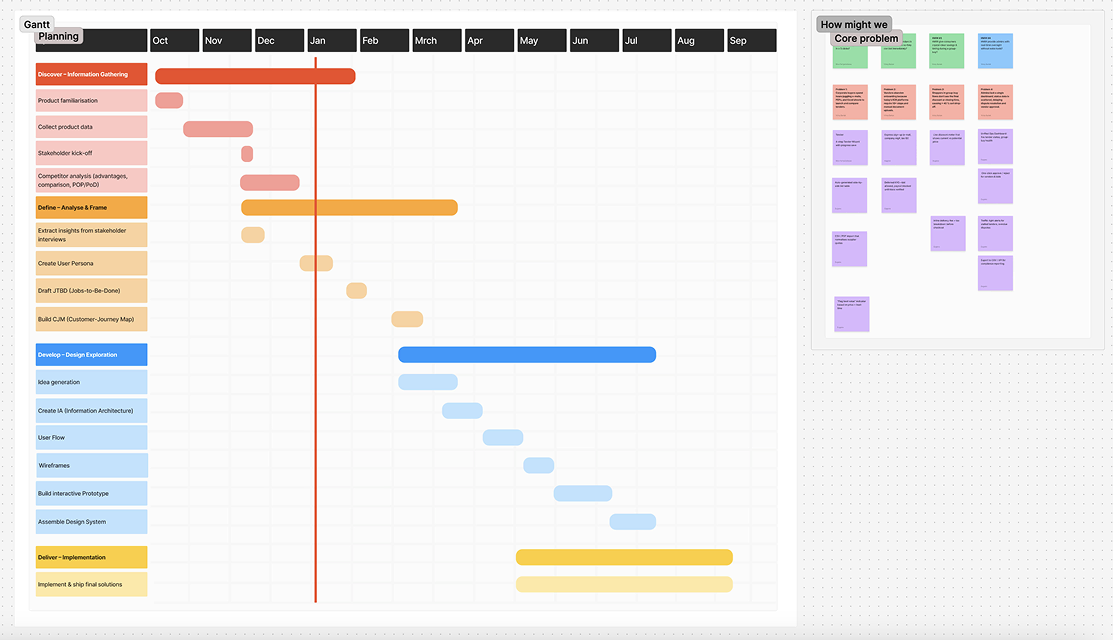
I started with an audit of the existing material (wireframes, feature lists, market decks, workflow diagrams), then built a kickoff questionnaire covering business goals, role-based value and timeline constraints. A focused competitor analysis followed: POP-POD matrix, feature comparison, UI audit. That is what turned a vague three-sided brief into a prioritised MVP.
Audit first, so the brief stopped being a wish list
Wireframes, feature lists, market decks and workflow diagrams, read before anything was drawn.
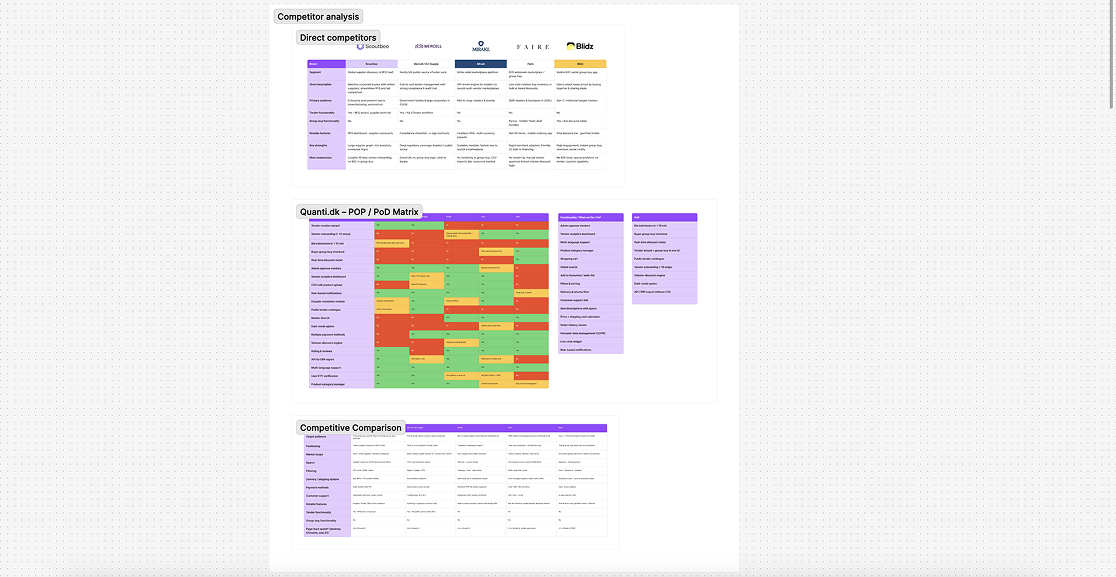
Competitor analysis that set the MVP scope
POP-POD matrix, feature comparison and UI audit, used to cut the roadmap rather than decorate the deck.
A day of manual comparison across PDF quotes and Excel price lists.Corporate buyer
Ten onboarding steps stand between a vendor and a first bid.Vendor
If the discount and the closing time are unclear, the cart is gone in seconds.Consumer buyer
Approvals and disputes spread across tools leave no time for insight.Operations admin
Rebuilding from the low-fidelity up.
The team had a rough low-fi mockup with real UX gaps. After auditing it I got stakeholder approval to rebuild from scratch rather than patch, and designed task-focused flows for each role separately. Agreeing the logic at low fidelity is what made the move to high fidelity fast. I stayed with the front-end team through implementation: walkthroughs on tokens, states and edge cases, and an end-of-sprint review of the build against the prototype. That is what kept visual debt and QA churn from accumulating.
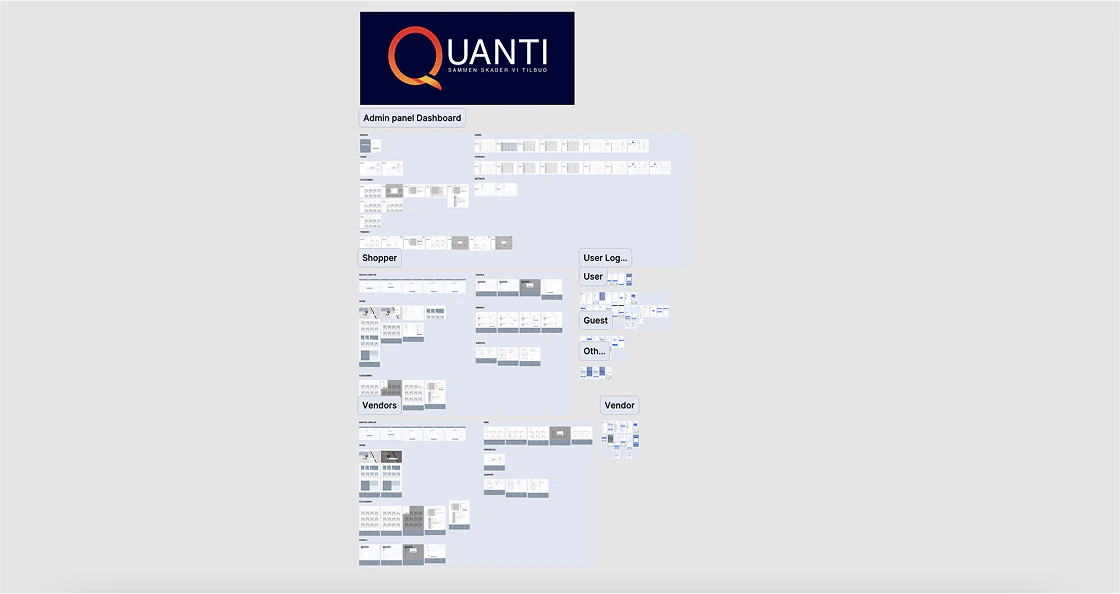
Task-focused flows, one role at a time
Admin, vendor and buyer each mapped independently before anything was merged into a single interface.
A lightweight kit, not a design system cathedral
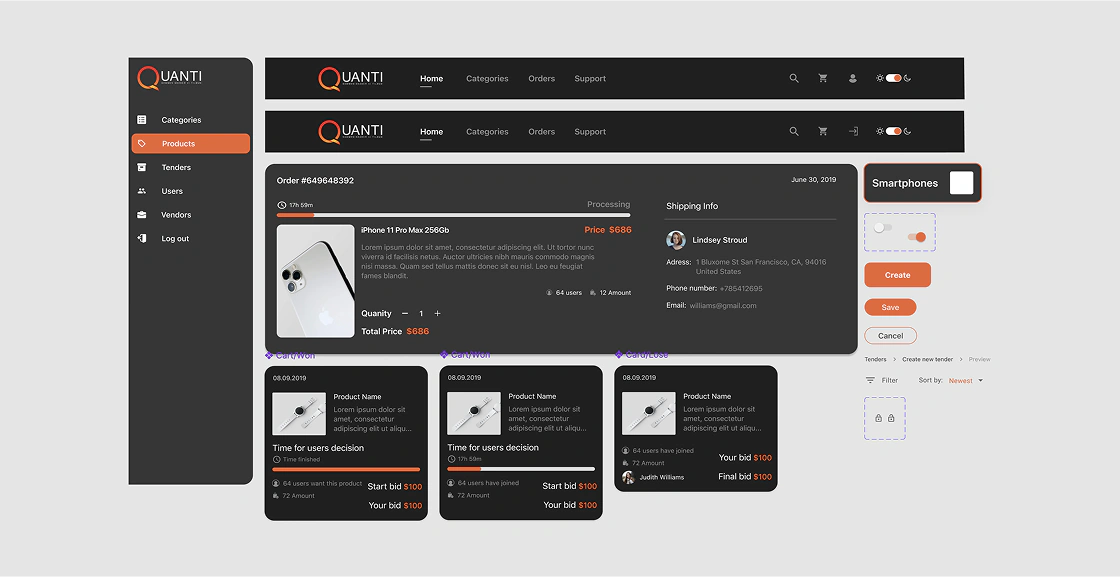
Colour, typography, spacing and components in Figma. Enough to keep three role interfaces consistent and let the front-end team move.
Three interfaces that each finish a job.
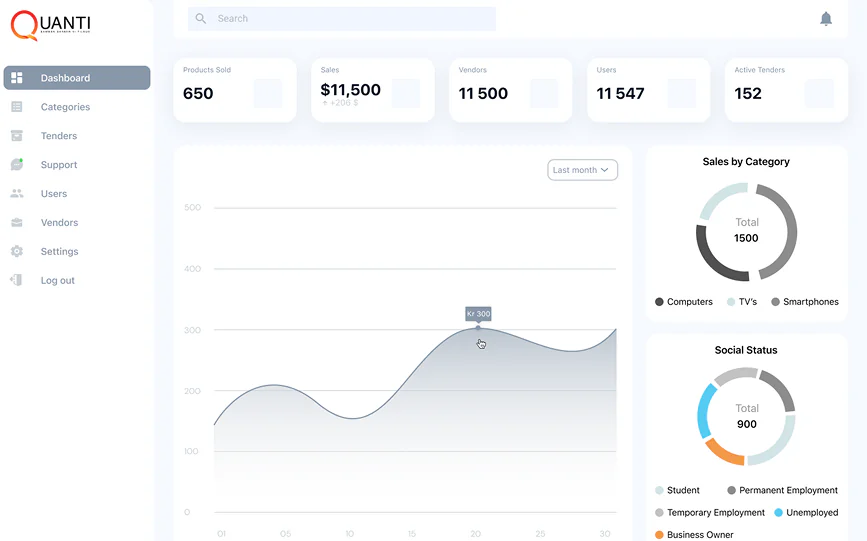
A guided four-step tender wizard so a corporate buyer launches without spreadsheets. A three-step express bid so a vendor gets to a first offer in under ten minutes. A group-buy checkout with a live discount meter and closing timer. One admin console turning routine moderation into single actions.
Admin: approvals, disputes and live tender metrics
One control panel instead of hunting for status across tools.
Vendor: from registration to a first bid
Light-touch onboarding and an express bid form. First offer in under ten minutes, against a market standard of ten setup steps.
Consumer: a discount you can actually see
Real-time discount meter and closing timer, because the cart is lost in the seconds where the saving is ambiguous.
Faster onboarding, more finished tenders.
Vendor onboarding time fell by about a third and checkout clarity lifted purchase completion by 15 percent. Post-launch, completed tenders rose 15 percent, which is what confirmed readiness for the next phase. The demo-ready MVP also helped the founders secure their next round.
Phase two came out of the launch, not a roadmap.
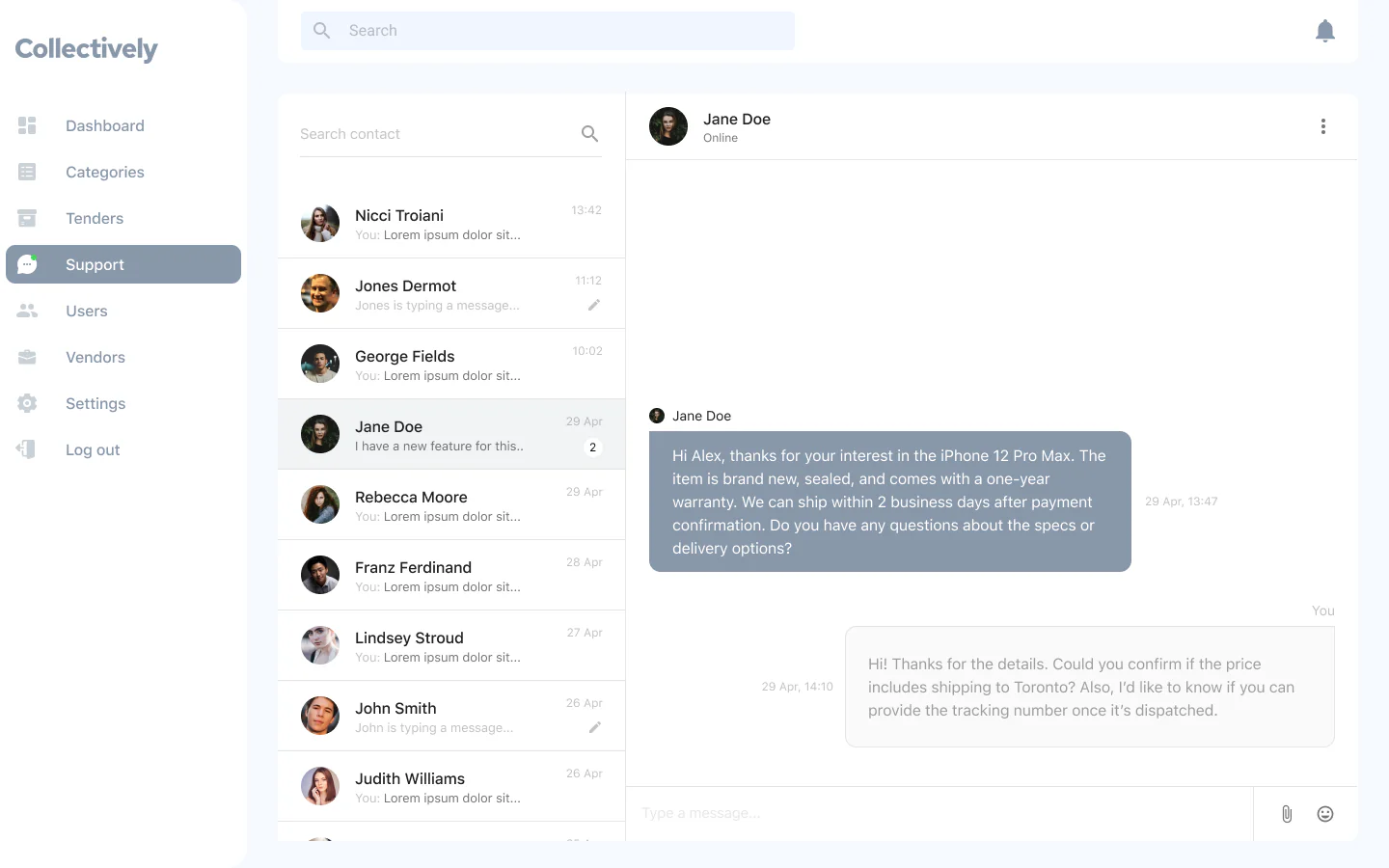
The following phase was scoped around a real-time analytics dashboard and in-app support chat: more visibility for buyers, less friction for vendors. Both came directly out of what the launch exposed rather than from a roadmap written in advance.
Post-launch, in the founders' own reporting
Completed tenders up 15 percent, and the case for phase two.